Peptide calculator: reconstitution, units and syringe draws
Choose a vial, set how much bacteriostatic water you add and the amount per draw, and read off the insulin-syringe units, concentration, draws per vial and cost per draw. The same arithmetic our concentration guide works through by hand.
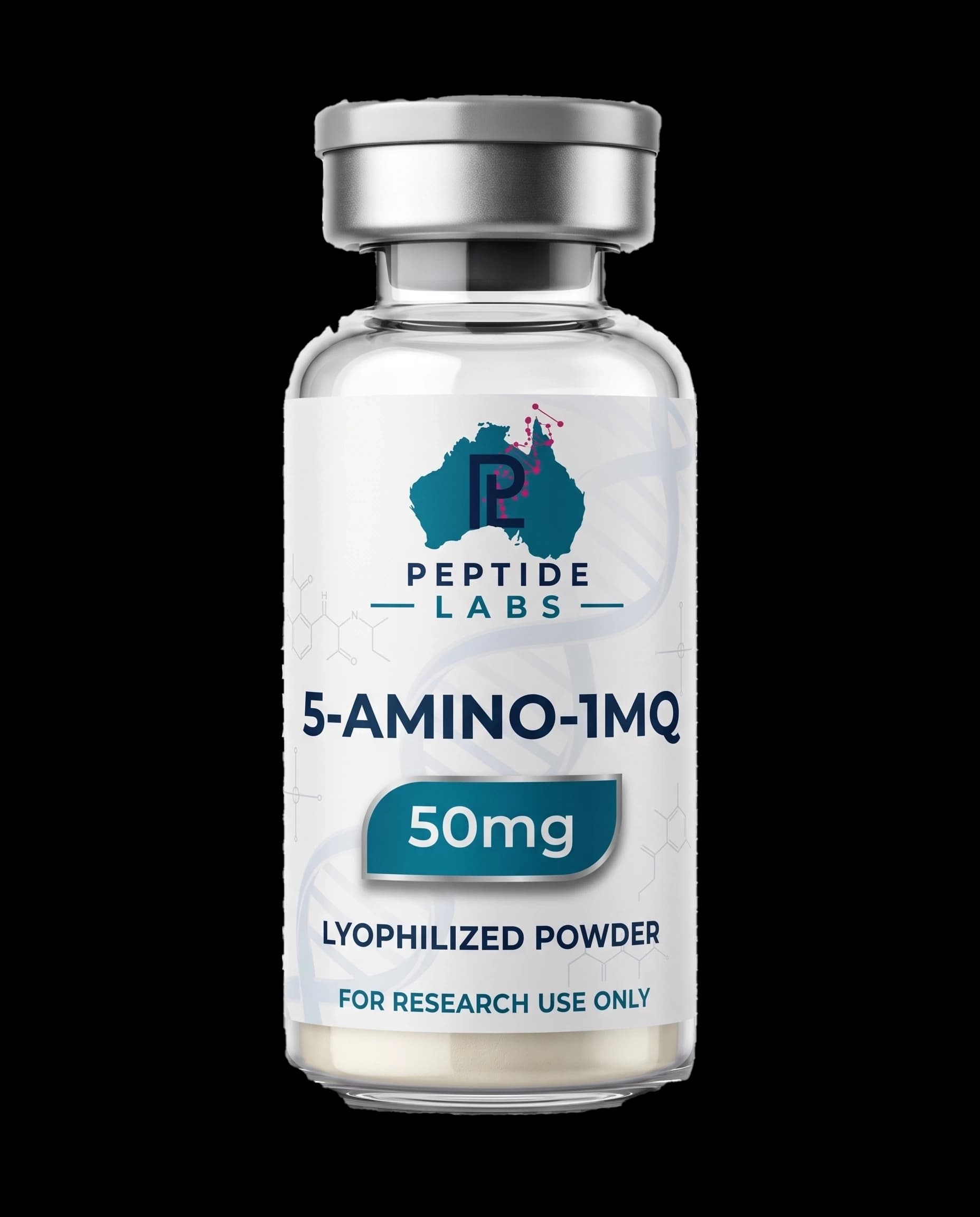
Choose your vial
Bacteriostatic water added
More water spreads the same peptide across more syringe graduations, which makes small draws easier to read. Bacteriostatic water is stocked in 10 mL and 30 mL vials.
Amount per draw
Quick-fill values are the same for every vial. They are examples for the arithmetic, not a recommendation for any compound.
Syringe
Every insulin syringe reads 100 units per mL; capacity only changes the largest single draw. 31G 6 mm syringes are stocked in packs of 10.
How the numbers are derived
Concentration is the vial contents divided by the volume of bacteriostatic water added: a 10 mg vial reconstituted with 2 mL is 5 mg/mL.
An insulin syringe is graduated so that 100 units correspond to 1 mL, regardless of whether the barrel holds 0.3, 0.5 or 1 mL. So mcg per unit is simply the mcg/mL figure divided by 100 — the syringe capacity changes how much you can draw at once, not what a unit means.
Choosing a larger diluent volume does not change how much peptide is in the vial. It changes how many graduations that peptide is spread across, which is the whole reason the volume is worth thinking about before you add it.
Draws per vial is the vial contents divided by the amount per draw, and cost per draw is the vial price divided by that. For a blend, each draw carries the components in the same ratio as the vial, so a 70 mg GLOW vial drawn at 7 mg gives 5 mg GHK-Cu, 1 mg BPC-157 and 1 mg TB-500.
This tool performs unit conversion only. It does not recommend a quantity and is not a protocol. All products are supplied for in-vitro laboratory research use only.